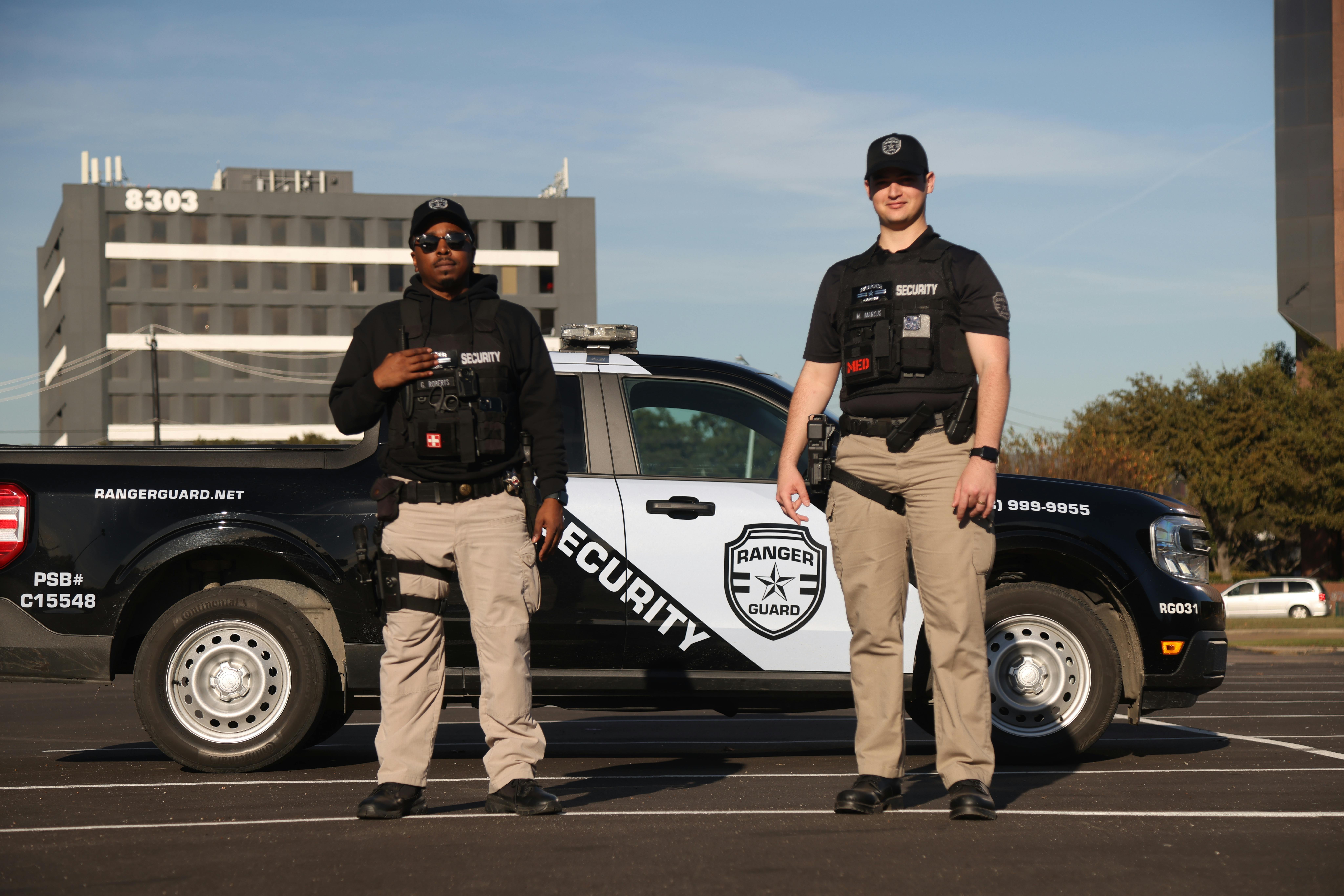
From Die Hard to Wrath of Man, we love watching movies where a heroic figure protects the vulnerable from harm. If you are thinking about a career in public safety, private security and law enforcement are the two main options. On the surface, the two may look similar, but they are very different jobs with distinct protocols and responsibilities. Before you sign up for Ontario private security training or enroll in the Toronto Police College, let us examine which career path is right for you.
Private Security vs. Law Enforcement
Private security professionals work for businesses, organizations, or individuals rather than the government. Their primary goal is to deter problems before they happen, whether that means maintaining a visible presence, controlling access to a property, monitoring activity, or protecting specific people or assets.
Meanwhile, law enforcement officers serve the public and enforce the law. Their responsibilities are broader and often more unpredictable. One shift might involve traffic enforcement or community engagement, while another could involve responding to violent incidents or emergencies.
Authority and Responsibility
One of the biggest differences between these two careers is the level of authority. Law enforcement officers have legal powers granted by the state, including the authority to arrest people and the ability to enforce laws broadly. That authority also brings strict rules around the use of force, reporting, and conduct. For instance, police officers are mandated to adhere to constitutional due process in all their actions, including searches, seizures, and arrests.
Conversely, private security does not possess the same legal authority. Security professionals typically observe, report, and respond within limited boundaries. Serious incidents are handed off to police or emergency services. Although the lack of arrest powers might seem like a disadvantage, it also means security personnel have less legal exposure and do not need to make high-stakes decisions that can come with serious repercussions.
Getting Started and Training
Entry requirements into these two fields also differ greatly. Law enforcement requires a much greater upfront commitment due to the extensive powers mentioned above. Aspiring police officers typically undergo rigorous academic and physical training programs at police academies, alongside psychological evaluations and background investigations. Joining the police force is a major life decision before you even start the job.
On the other hand, many private security roles can be accessed relatively quickly. Training requirements vary by location, but often include licensing, background checks, and short training courses focused on safety, communication, and legal boundaries. These courses can also be taken online. This lower barrier to entry makes private security an appealing option for individuals seeking immediate employment.
Daily Reality and Risks
One thing that both law enforcement and private security work shares is shift work. Both professions often necessitate irregular hours, including nights, weekends, and holidays.
Stress is also part of the territory, but it shows up differently. In private security, the stress often comes from long hours and the challenges of preventing problems without overstepping boundaries. Private security personnel may find themselves managing rowdy crowds, de-escalating minor disputes, or responding to alarms.
In law enforcement, stress can be more intense, especially when dealing with emergencies or violent confrontations. The psychological toll of sustained, high-stakes exposure in law enforcement often leads to higher rates of PTSD and burnout compared to the more predictable environment of private security.
Career Growth and Compensation
Of the two careers, law enforcement is often viewed as the more stable and promising one. Promotions, specialized units, and leadership roles provide clear career ladders for those who stay long term, and a robust pension and benefits package typically accompanies service.
Private security offers flexibility instead. While entry-level roles may pay less, experienced professionals can move into niches like personal protection or corporate security leadership, which can command impressive pay packages.
One thing to note is that it is not uncommon for people to move between the two fields over the course of a career. For instance, retired law enforcement officers may transition into private security consulting. Similarly, private security personnel with specialized skills, such as cybersecurity, may find opportunities within law enforcement agencies.
Making the Right Choice
Private security suits people who are observant, calm, and comfortable working behind the scenes. It rewards patience, professionalism, and the ability to de-escalate situations quietly. Instead of an action hero, you tend to see yourself as more of a guardian who is proactive rather than reactive.
Meanwhile, law enforcement attracts individuals who thrive on direct action and excel at decision-making under pressure. It requires thick skin, emotional control, and a willingness to be held to a high standard. You will become the physical embodiment of authority and accountability in your community.
Before choosing either path, it helps to ask yourself some honest questions. How well do you handle stress? What level of risk do you want to face daily? How much training are you willing to commit to? How do you feel about public accountability?
Conclusion
At the end of the day, private security and law enforcement share the common goal of keeping the community safe—they just approach it from different angles. Whether you prefer to work within the structured framework of a public agency or the more flexible environment of a private security firm, choosing the role that fits your personality is the smart thing to do. By asking yourself some honest questions, you can make the right choice for your career.